
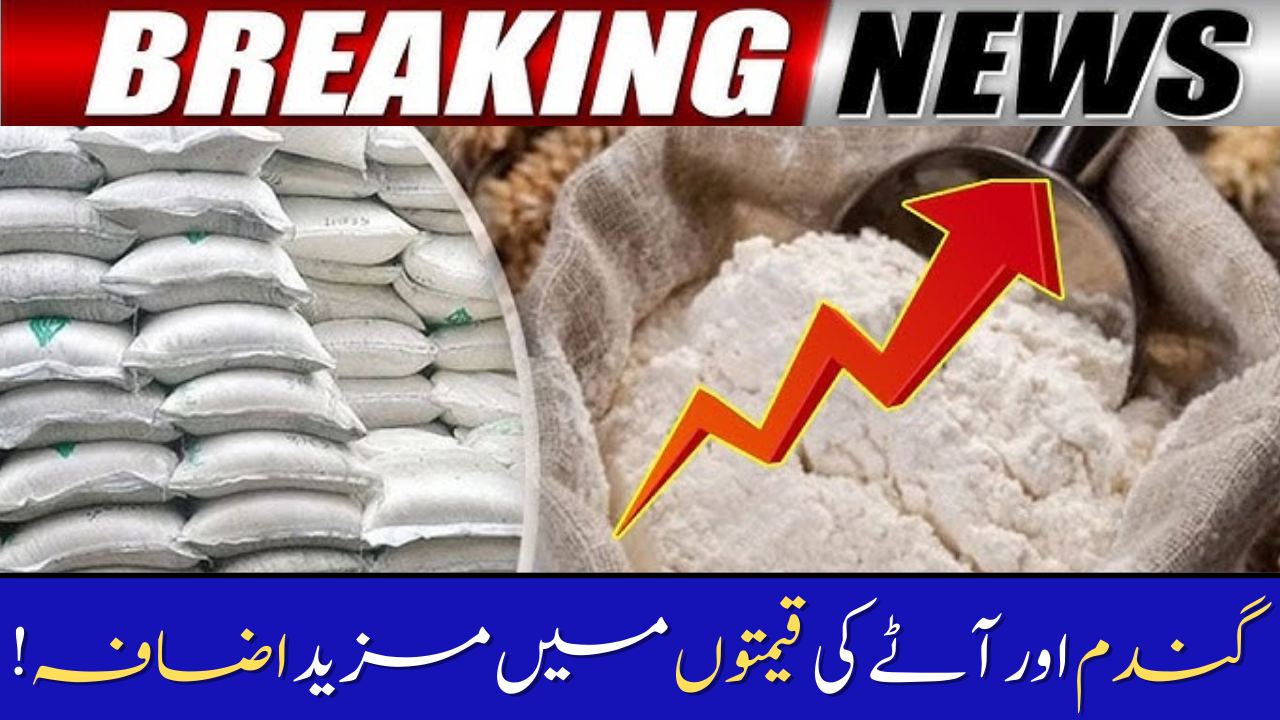
Flour Prices Hit Record in Pakistan have surged to an all-time high, creating fresh concerns for households already grappling with inflation. Recent floods in Punjab, the country’s largest wheat-producing region, have disrupted the supply chain, pushing flour rates to unprecedented levels.
Current Flour Prices Across Pakistan:
According to the latest figures from the Pakistan Bureau of Statistics (PBS), the price of a 20-kg flour bag has increased by up to PKR 1,050 in the last three weeks. In some markets, the bag is now selling for approximately PKR 2,500.

| City | Price Increase (20kg Bag) | Current Price (Approx.) |
|---|---|---|
| Bannu | PKR 1,050 ↑ | PKR 2,500 |
| Peshawar | PKR 900 ↑ | PKR 2,450 |
| Lahore | PKR 830 ↑ | PKR 2,400 |
| Multan | PKR 826 ↑ | PKR 2,398 |
| Islamabad | PKR 800 ↑ | PKR 2,380 |
| Rawalpindi | PKR 740 ↑ | PKR 2,320 |
| Quetta | PKR 740 ↑ | PKR 2,320 |
| Bahawalpur | PKR 866 ↑ | PKR 2,410 |
Why Are Flour Prices Rising?
The dramatic increase in flour prices is primarily due to:
- Floods in Punjab – Heavy rainfall damaged wheat supply routes, slowing transportation to flour mills.
- Supply Chain Disruptions – Shortages in local markets have led to panic buying and hoarding.
- Inflationary Pressures – Rising transportation and storage costs are further driving price hikes.
Punjab, often called the breadbasket of Pakistan, is critical to the country’s wheat supply. Any disruption in this region immediately impacts prices nationwide.


Impact on Families:
Low and middle-income households are the hardest hit, as flour remains a staple in every Pakistani kitchen. Experts warn that without immediate relief measures, further inflation and food insecurity could follow.
Families across the country are now forced to spend a larger portion of their income just to afford basic essentials, putting additional strain on already tight budgets.

Final Word:
With 20-kg flour bags reaching PKR 2,500, Pakistanis brace for continued inflation. Authorities are being urged to stabilize supply chains, release government wheat reserves, and introduce relief measures to control the situation.
For now, consumers are left worried about the rising cost of their daily bread.